
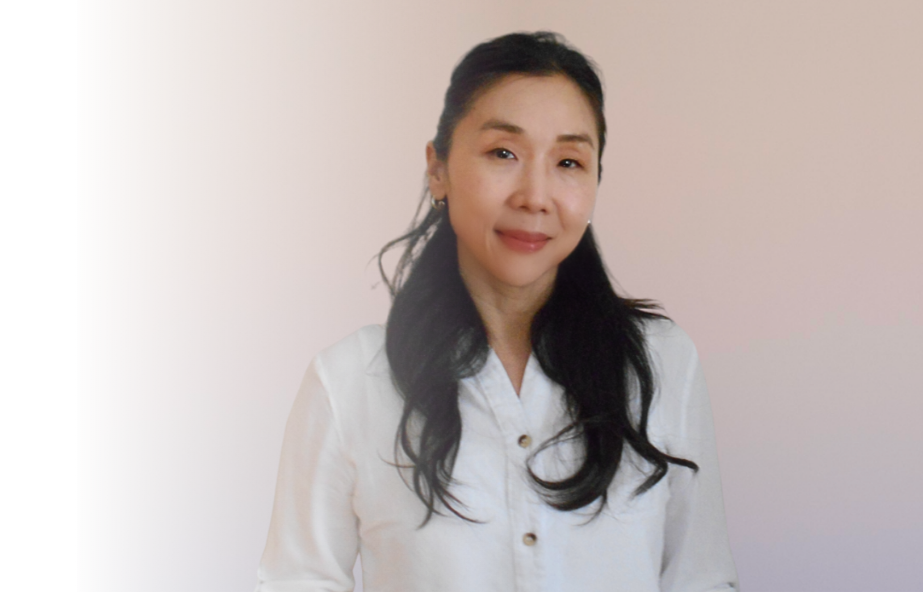
Benita Park
LICENSED PSYCHOTHERAPIST
PRONOUNS: SHE/HER
“We can do this alone and yet we are not meant to do it alone.”
Welcome!
Benita offers a compassionate and supportive therapeutic space where clients can safely explore all aspects of themselves. While healing is ultimately a personal process, working with an attuned and understanding therapist can provide the containment and trust needed for meaningful change. Benita supports individuals seeking therapy for emotional healing, self-understanding, and personal growth, helping clients gently engage with experiences that may feel difficult to face alone.
Her integrative approach draws on psychoanalytic psychotherapy, alongside somatic and mindfulness-based practices. By carefully attuning to each client’s emotional and embodied experience, Benita helps uncover how past relationships and experiences may be influencing present-day patterns, symptoms, or challenges.
Grounded in a deep belief in the human capacity for growth and wellbeing, Benita works collaboratively with clients to identify and soften the internal obstacles that may be limiting change. Therapy with Benita aims to foster greater self-awareness, emotional resilience, and a more connected relationship with oneself and others.
Benita’s Clinical Background

-
Union Square office in NYC
Westchester Office in Pleasantville, NY
Online in New York and New Jersey
-
Aetna (including PPO, HMO, Meritain Health, 1199 SEIU National Benefits Fund and Aetna Student plans)
Wellfleet Student (NYU, School of Visual Arts, Sarah Lawrence College, etc.)
Northwell Direct
Out-Of-Network Benefits Reimbursement
-
Attachment Based
Person Centered
Compassion Focused Therapy
Emotions Focused Therapy
Holistic
Internal Family Systems (IFS)
Jungian
-
Anxiety
Depression
Emotional Regulation
Existential Challenges / Crisis
Life Transitions
Relationship Issues
Self Esteem
Stress
Trauma
-
Individuals
Couples
Families
Young Adults and Students
Immigrants
People of Color
-
Masters in Mental Health Counseling, Mercy University
Masters of Public Policy, Georgetown University
Bachelors of Arts in Economics, Barnard College/Columbia University
-
Trauma Recovery Coach
Sue Johnsons' Emotion Focused Therapy
Treating Complex Trauma with Internal Family Systems (IFS) Therapy
Gabor Mate’s Compassionate Inquiry in Action
-
English
Korean
-
New York Licensed Mental Health Counselor (LP)
New Jersey (Telehealth) Licensed Mental Health Counselor (LP)
How Benita Can Support You
Benita supports individuals who may feel overwhelmed, emotionally stuck, or disconnected from themselves or others. She works with clients experiencing anxiety, depression, relationship difficulties, cultural identity challenges, life transitions, and the lasting impact of past experiences.
Her work is particularly helpful for those who are highly sensitive, reflective, or accustomed to caring for others while struggling to prioritise their own emotional needs. Together, therapy focuses on developing insight, emotional regulation, and a deeper sense of self-understanding that supports lasting change.

Influences: Dan Siegel, Gabor Mate, Carl Jung, Bonnie Badenoch, Aundi Kolber, Curt Thompson, James Finley

Benita’s Approach
Benita offers an integrative approach to psychotherapy that combines psychoanalytic understanding with somatic awareness and mindfulness-based practices. She works intuitively, paying close attention to both spoken experience and the body’s emotional responses.
Rather than focusing solely on symptom relief, Benita helps clients explore how unconscious patterns and past relational experiences may be shaping present challenges. Therapy unfolds at a thoughtful pace, allowing space for curiosity, reflection, and the integration of complex emotions in a safe and supportive environment.
Rituals: Grounding my entire body, Walks outside, Qigong practices, engaging in Neurosomatic exercises
Why Work With Benita?
Clients often choose to work with Benita for her warm, attuned, and deeply compassionate presence. Her lived experience navigating cultural identity, emotional sensitivity, and significant life transitions allows her to meet clients with authenticity and understanding.
Benita believes meaningful therapy emerges through a strong therapeutic relationship grounded in trust, respect, and genuine curiosity. Her work supports clients in moving beyond survival patterns toward greater emotional freedom, resilience, and a more connected way of living.

Library: Healing Developmental Trauma (Laurence Heller & Aline LaPierre); The Drama of the Gifted Child (Alice Miller); The Pocket Guide to the Polyvagal Theory (Stephen W. Porges); The Gift of Failure (Jessica Lahey); Try Softer (Aundi Kolber); Atomic Habits (James Clear); Mindsight (Dan Siegel); The Myth of Normal (Gabor Mate)

About Benita Park
As a second-generation Korean American, Benita brings a deeply personal understanding of cultural identity, belonging, and navigating life between different worlds. Her own journey toward therapy began later in life, shaped by years of reflecting on sensitivity, emotional awareness, and the experience of feeling deeply attuned to others from an early age. What was once experienced as vulnerability has become one of her greatest therapeutic strengths.
Much of Benita’s life has involved holding the tension between cultures, perspectives, and expectations. This lived experience informs her belief that therapy and healing are not about eliminating complexity, but learning how to live more fully within it. She works with clients to explore the polarities of emotion — strength and vulnerability, certainty and uncertainty, independence and connection — helping them develop greater capacity to tolerate and integrate their internal and external experiences.
Benita’s approach is especially supportive for individuals exploring identity, cultural experience, emotional sensitivity, and life transitions. She views therapy as a process of cultivating self-understanding, resilience, and the ability to live with greater authenticity amidst life’s inherent complexity.